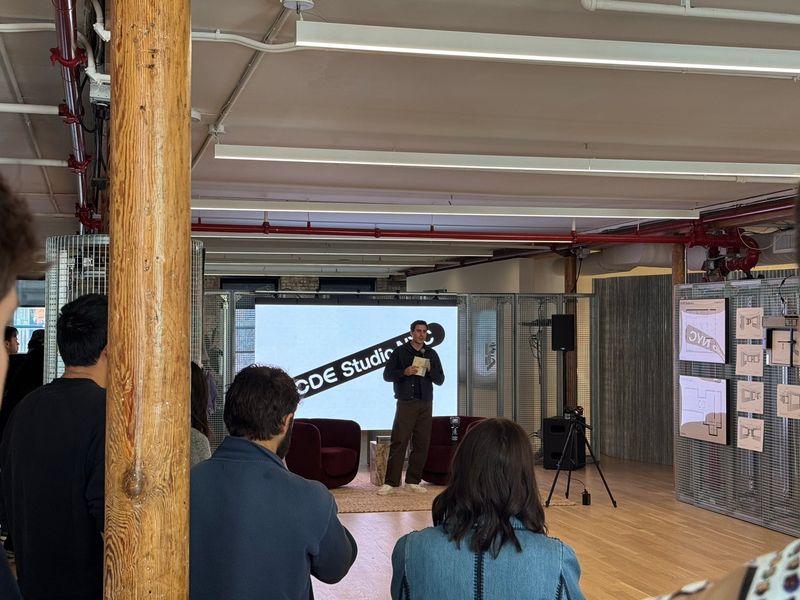
NODE Opens a Studio in SoHo
NODE, the nonprofit home of the CryptoPunks, opened a new Studio in SoHo this weekend with a Punks Brunch, a live performance and a public open house.
Explore the artists, ideas, and conversations shaping digital culture. Start somewhere new, or return to a story that stays with you.
53 stories
NODE, the nonprofit home of the CryptoPunks, opened a new Studio in SoHo this weekend with a Punks Brunch, a live performance and a public open house.
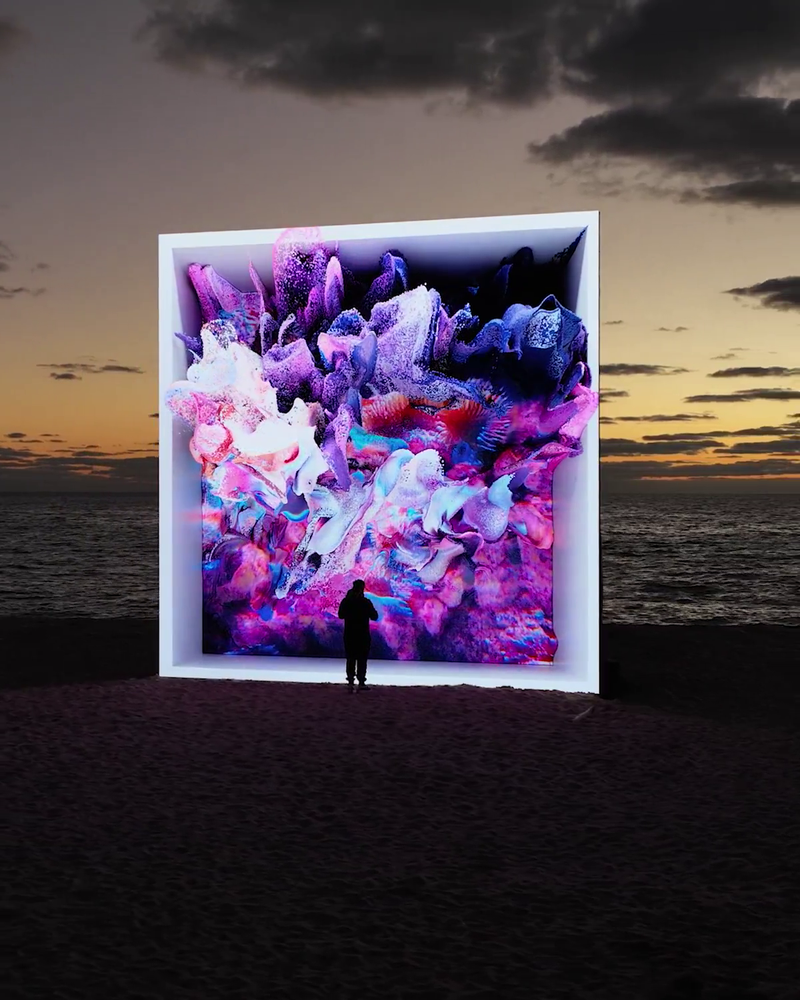
Refik Anadol's Dataland launched an app with an AI guide after hosting more than 50,000 visitors, capping a month that brought a TIME100 Art nod and a new work at Meta Connect.
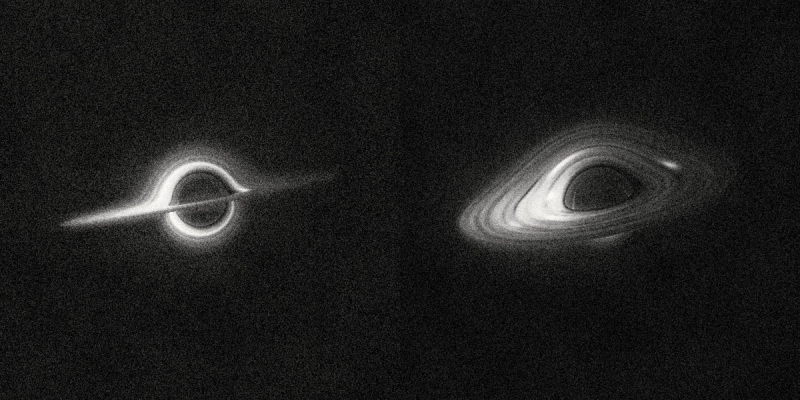
Nullish rebuilt Jean-Pierre Luminet's hand-drawn 1978 black hole in p5.js for Event Horizon, 1,000 audiovisual pieces on block 9 sats.
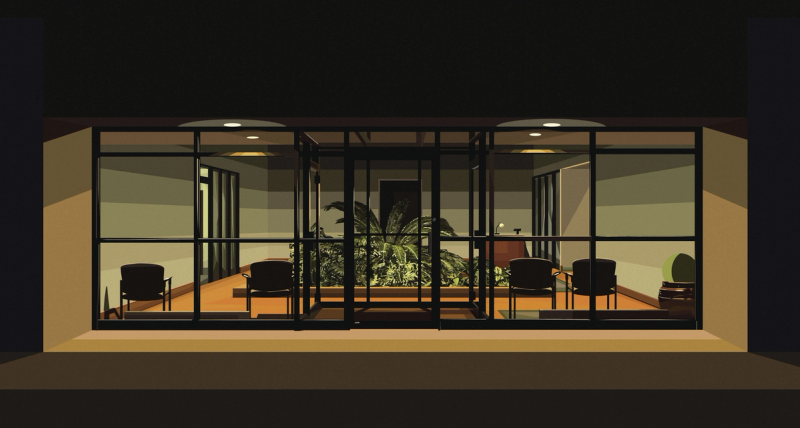
Grant Yun went from PowerPoint shapes and medical school to Neo-Precisionism, Primera with Andrew Mitchell and SPACES, and is now teasing one of his most ambitious projects yet.
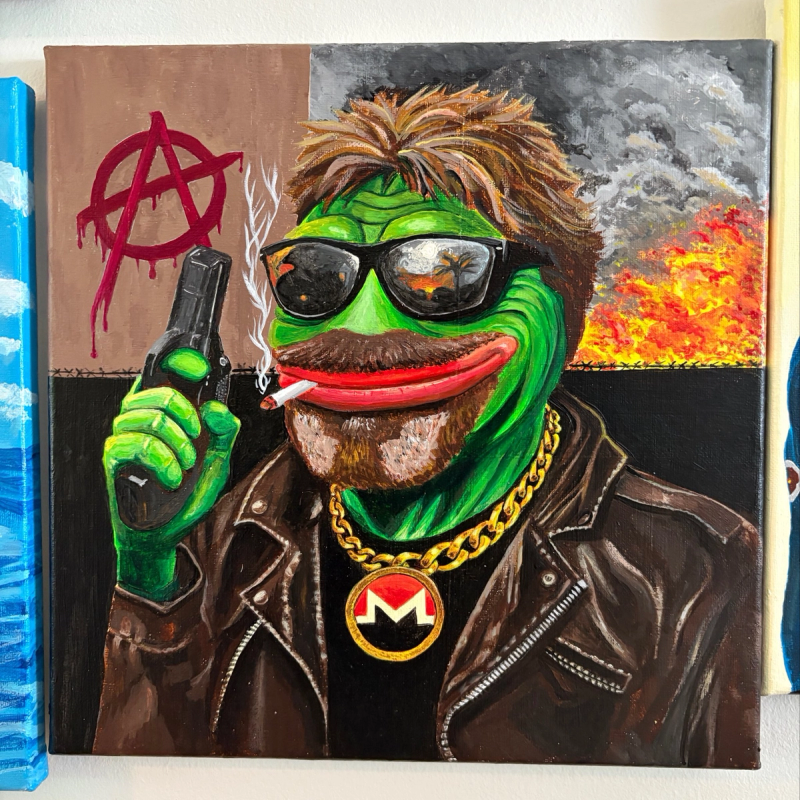
Rare Scrilla's DJPEPE card turns ten on October 13, with 39 subassets that make it a mini gallery within the card itself.
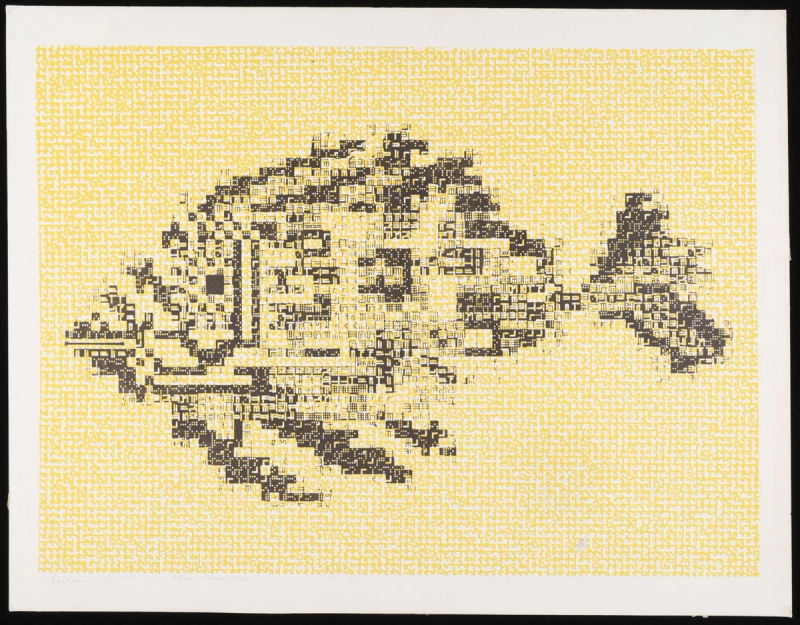
Lillian Schwartz went from a kinetic globe at MoMA to decades at Bell Labs, where she made Pixillation with Ken Knowlton and used a computer to argue that the Mona Lisa hides Leonardo's own face.
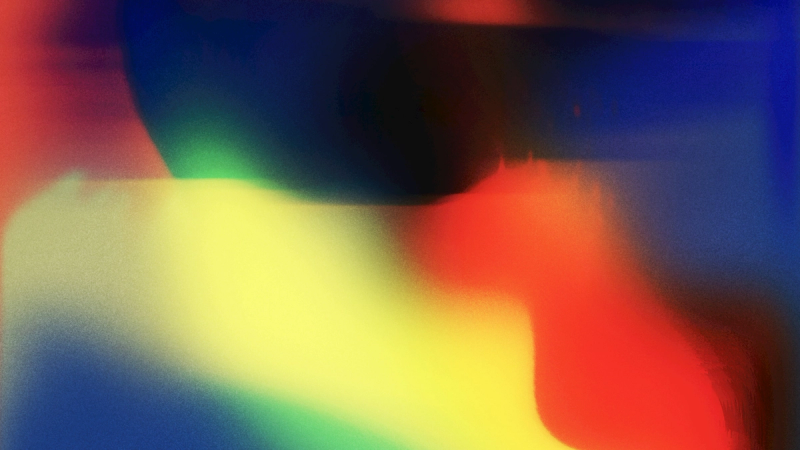
Jonas Lund completes MVP (Most Valuable Painting), the self-optimizing painting project that had sat at Generation 450 since 2022, in a Feral File solo exhibition.
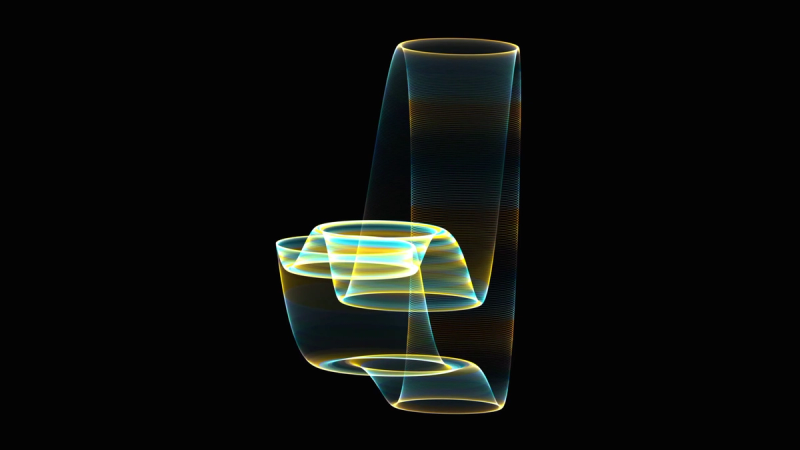
Physicist and generative artist Andrea Belloni is building Homage To Herbert W. Franke, a tribute recognized by the Foundation Herbert W. Franke, ahead of the pioneer's centenary year in 2027.
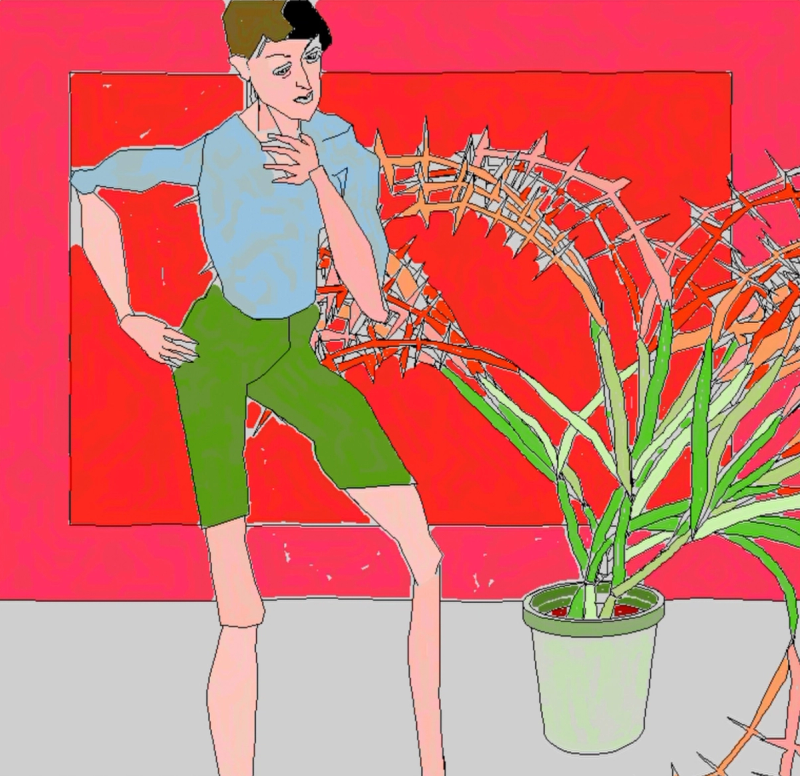
Long before text prompts, the painter Harold Cohen spent decades teaching a program called AARON to draw, then to paint.
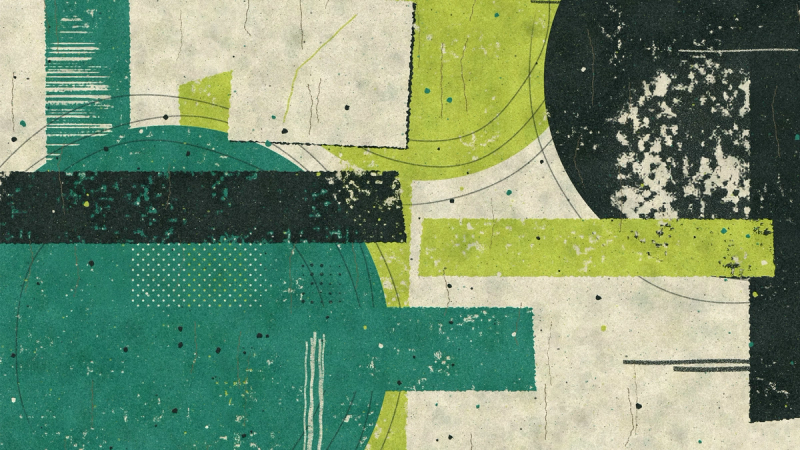
RalenArc releases ScatterForm, a 300-piece generative collection drawn from fabric, stone and painted surfaces, as a featured OpenSea drop on October 8.
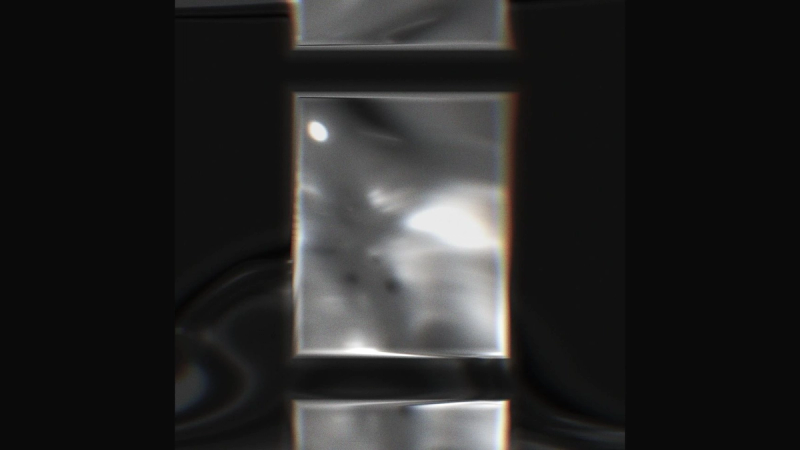
Paweł Dudko's Lapse, a scroll-driven generative work that slowly fades to black or white, found a collector in the Searching for Balance auction on objkt and carries a teleburn route to a 1/1 Ordinals inscription.
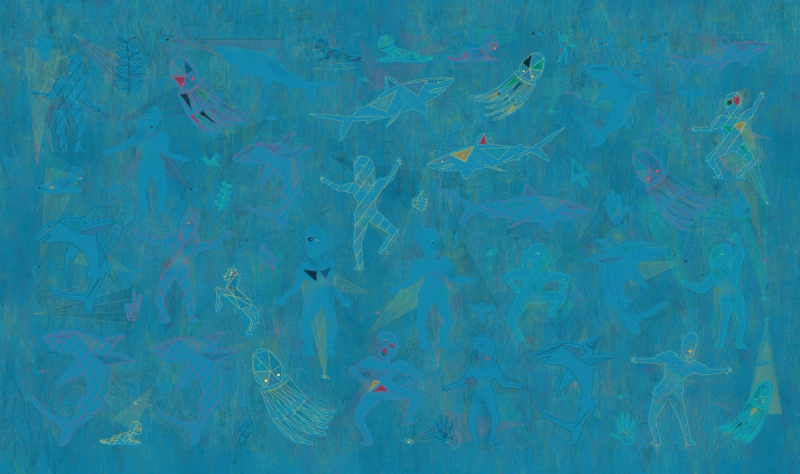
Dmitri Cherniak is sharing a new run of algorithmic drawings in green, blue and red color types, alongside a live browser version of Ringers in Motion.
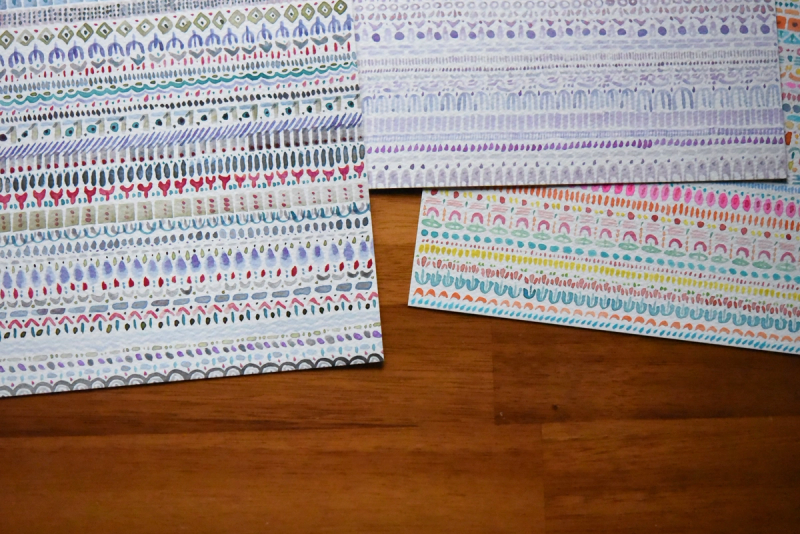
OKAYAMAN's first solo exhibition opens November 14 at ONE DAY COFFEE in Hachioji, and his SILKROAD series is coming with it.
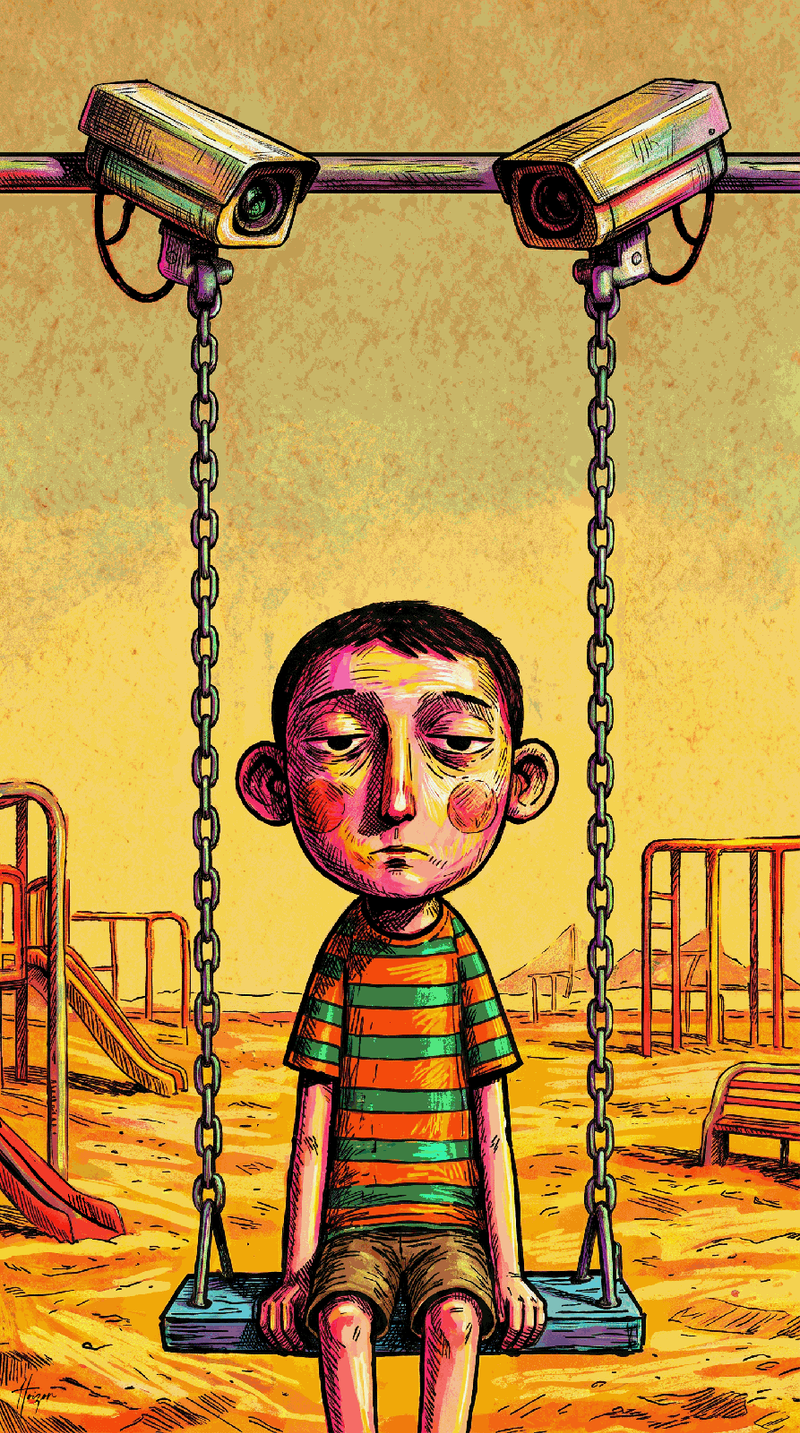
Hoizon's Slightly Wrong, a collection of 100 animated loops on SuperRare, sold out on October 5, five days after its October 1 launch.
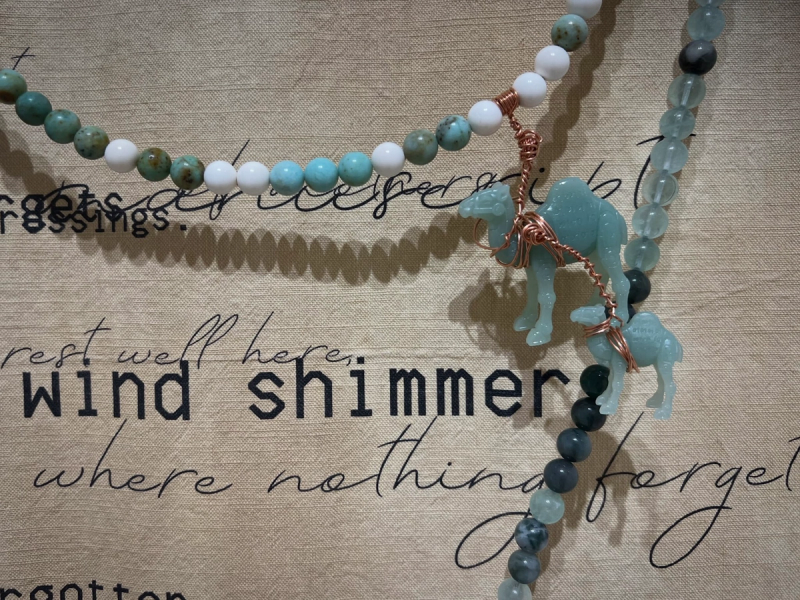
Sasha Stiles turns the Kalmyk-Mongolian epic Jangar into scrolls, encoded beadwork and code in her first show at Sapar Contemporary in New York, on view through November 6.
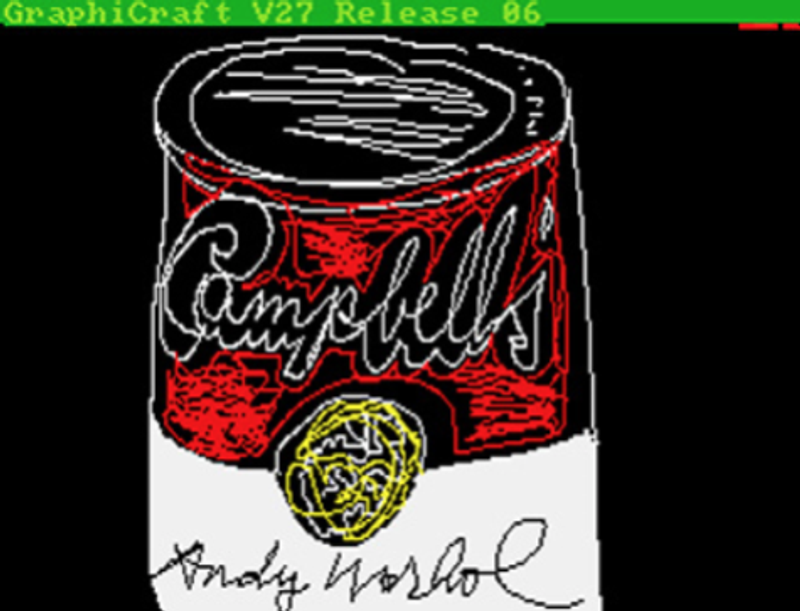
In 1985 Andy Warhol painted Debbie Harry live on a Commodore Amiga. Almost 30 years later, Cory Arcangel helped pull 28 lost Warhol images off his floppy disks.
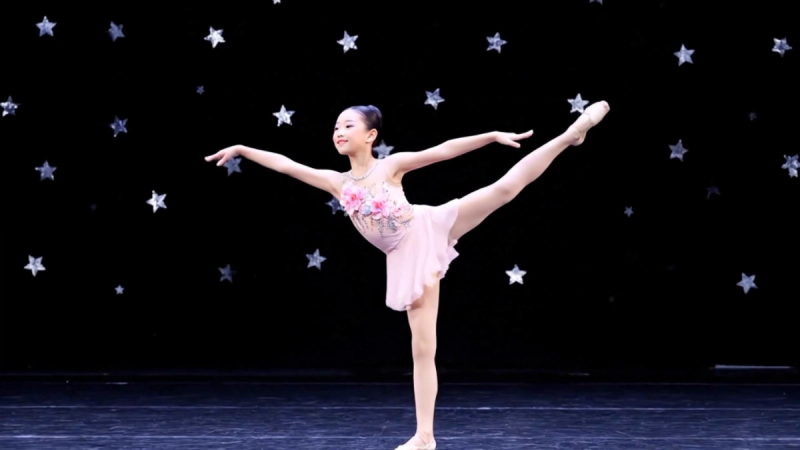
Maya Man brings StarQuest, her performance-lecture on competition dance and AI, to the V&A in London on October 10, as her net art work Pure Information sells for $20,000.
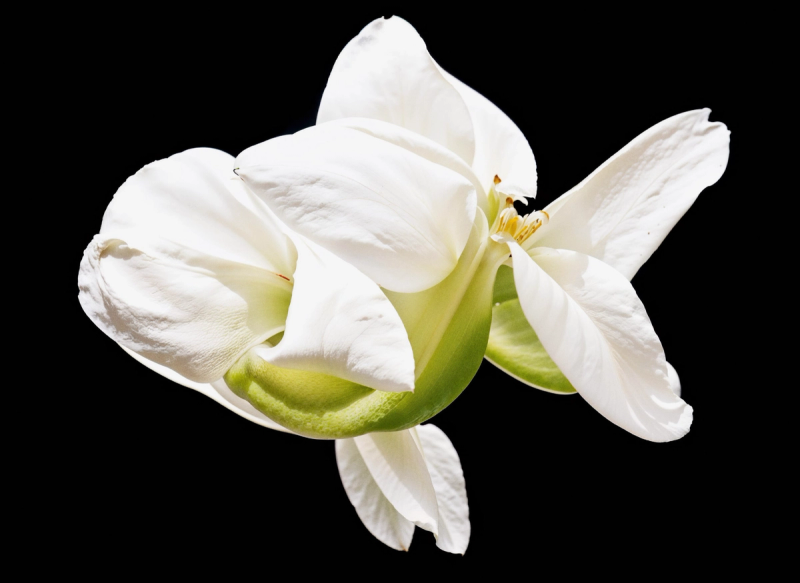
Kevin Abosch's Testing Ground, computational landscapes that look photographic but depict places that do not exist on a map, opens TAEX's new Monaco gallery on October 9.
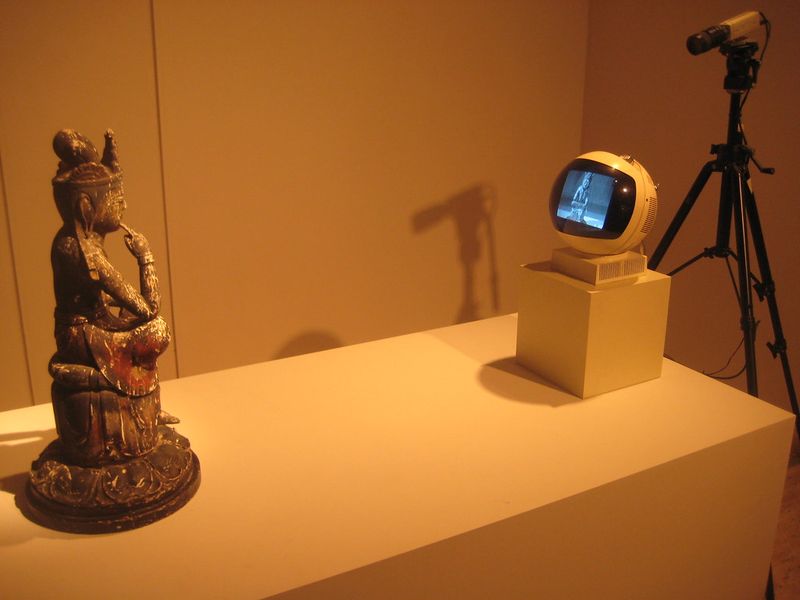
Nam June Paik’s most famous video sculpture started as a gap-filler: a Buddha watching itself on a closed-circuit TV at Galeria Bonino in 1974.
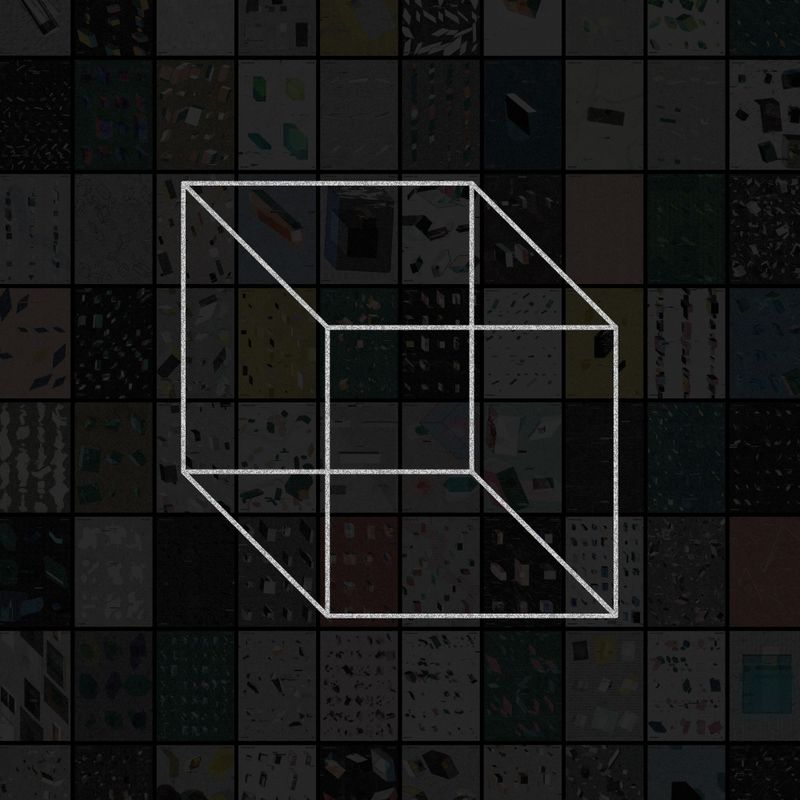
OTO's Polylith reads Bitcoin from a far future block back toward Genesis, a generative Ordinals work that updates with every new block.
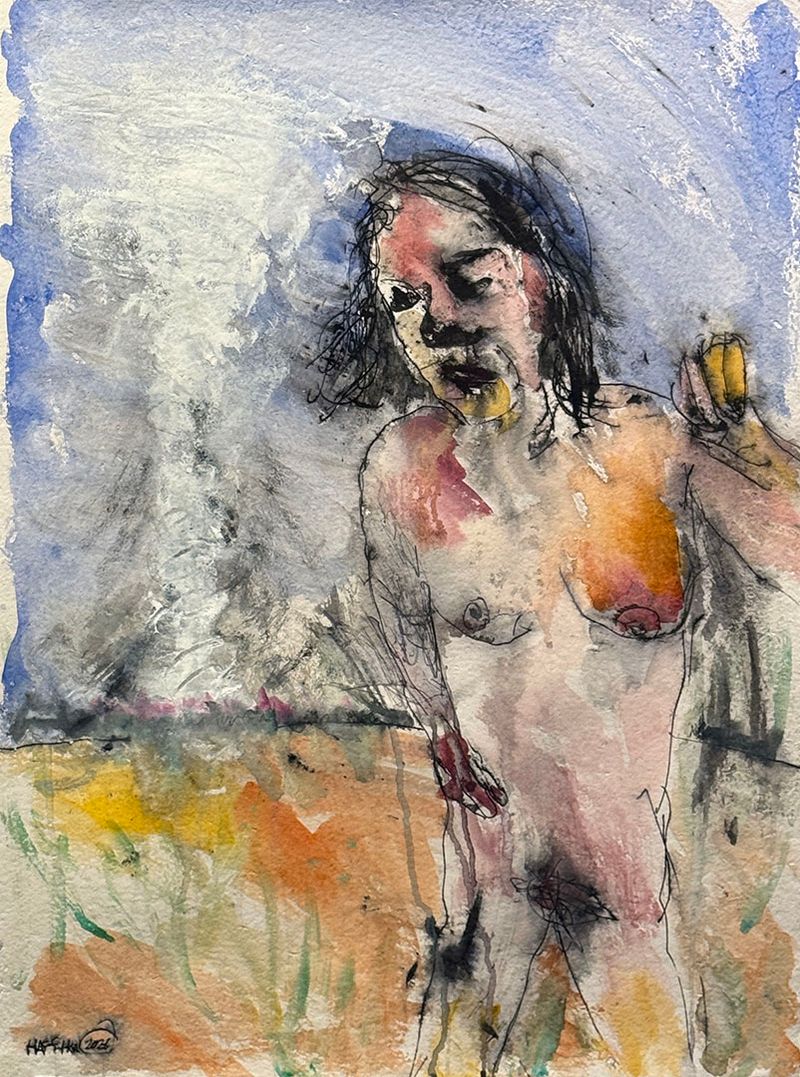
Michael Hafftka, whose paintings sit in MoMA and the Met, keeps inscribing new work on Bitcoin, including We Are Not in Kansas Anymore in March 2026.
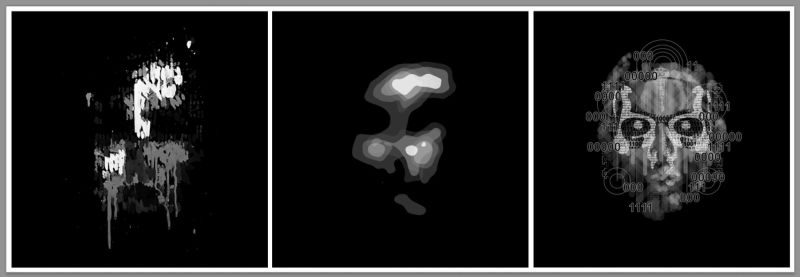
At SuperRare's ./spiral in New York, Pindar Van Arman condensed his AI Portrait series into Emergence to Reflection, a triptych spanning 2018 to 2024.
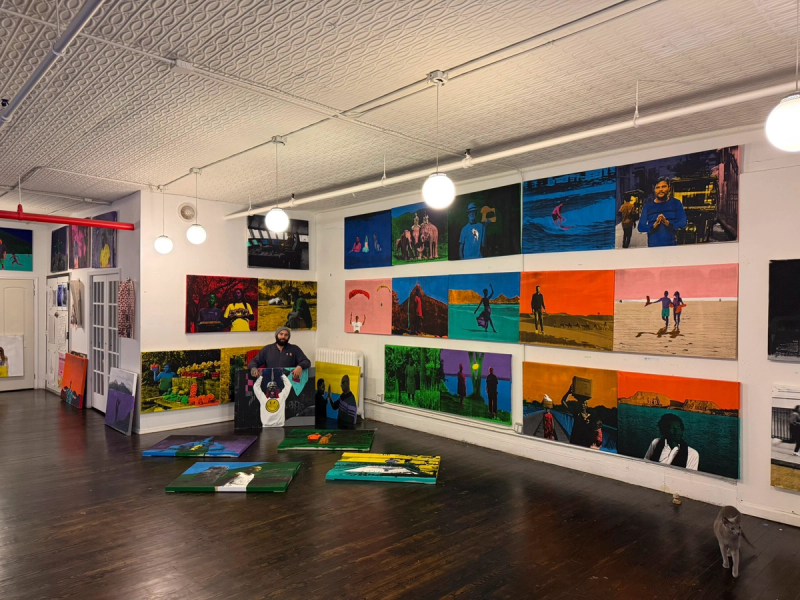
Justin Aversano has silkscreened 366 paintings and is hanging his hand-painted photographs on canvas ahead of a November opening.
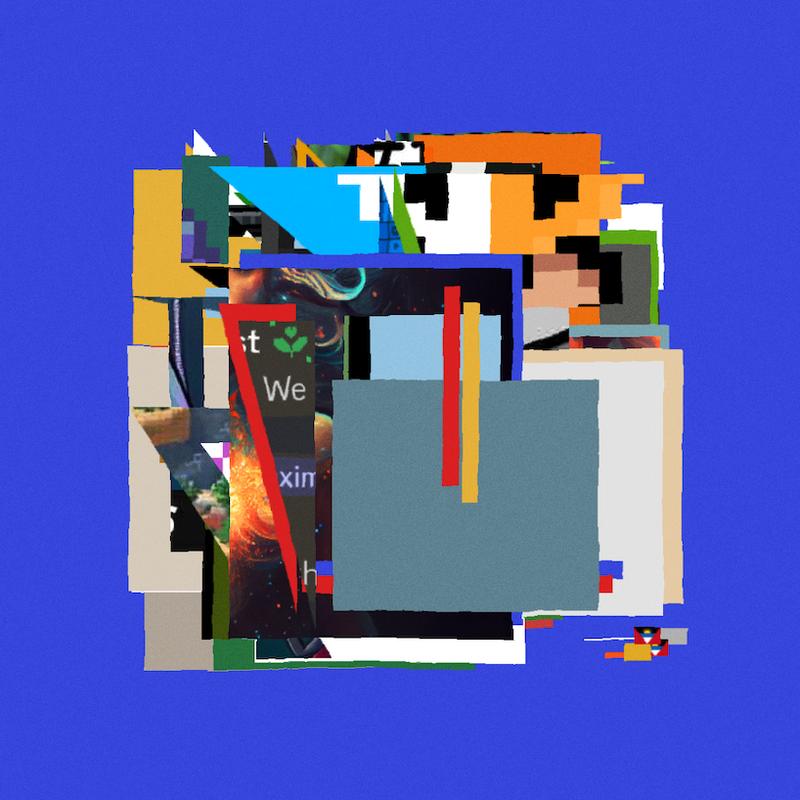
Billy Restey's Recursions turns early Ordinals inscriptions into 300 abstract collages, each a tiny recursive file on Bitcoin.
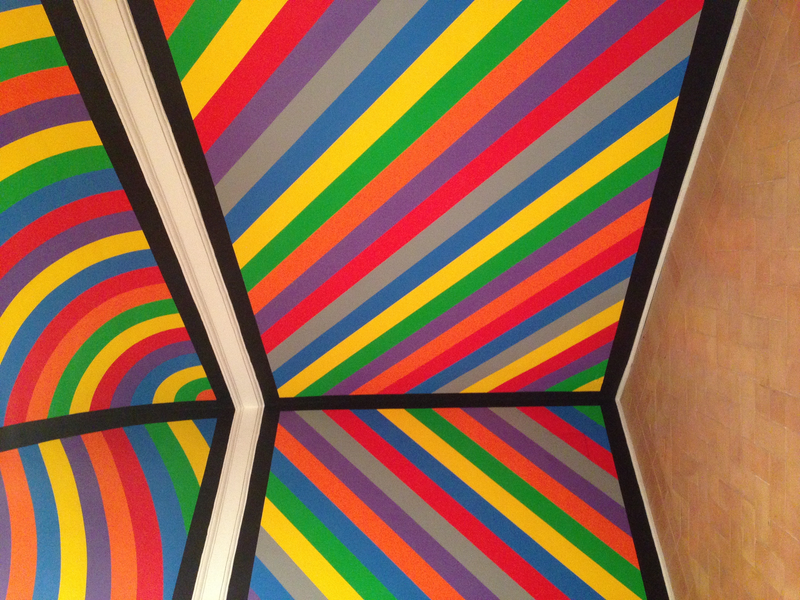
In 1967 Sol LeWitt wrote that the idea becomes a machine that makes the art — then handed wall drawings to other hands.
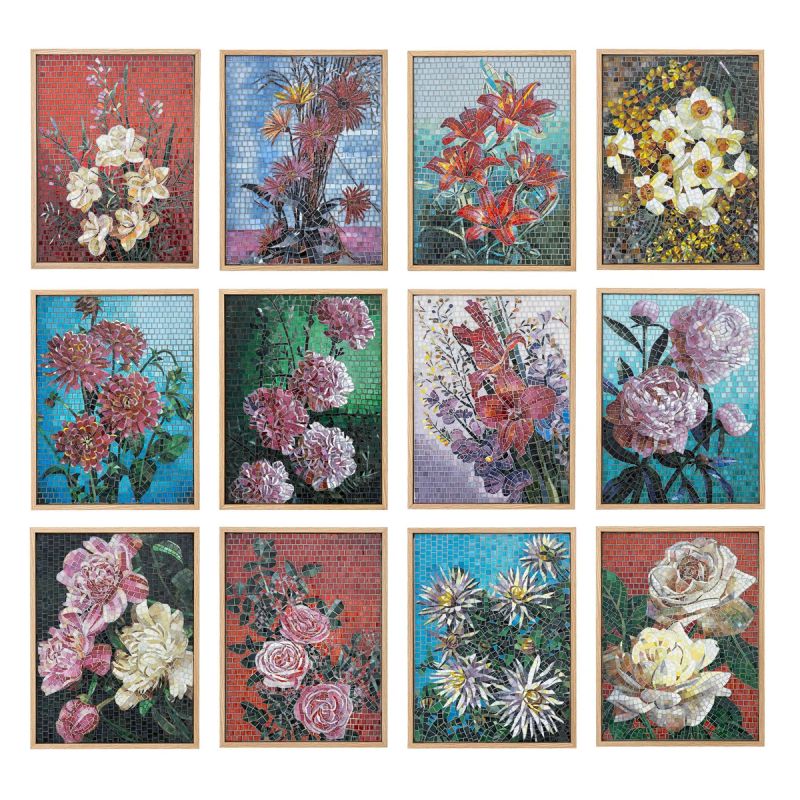
Ryan Koopmans and Alice Wexell's first New York solo show at Leila Heller Gallery debuts Fragments, twelve glass mosaics of the Soviet-era flower postcards that started The Wild Within.

CryptoPunk #8348, the only Punk with seven attributes, sold today for 3,000,000 USDC plus an undisclosed amount on GONDI, ending Seedphrase's six-year hold.
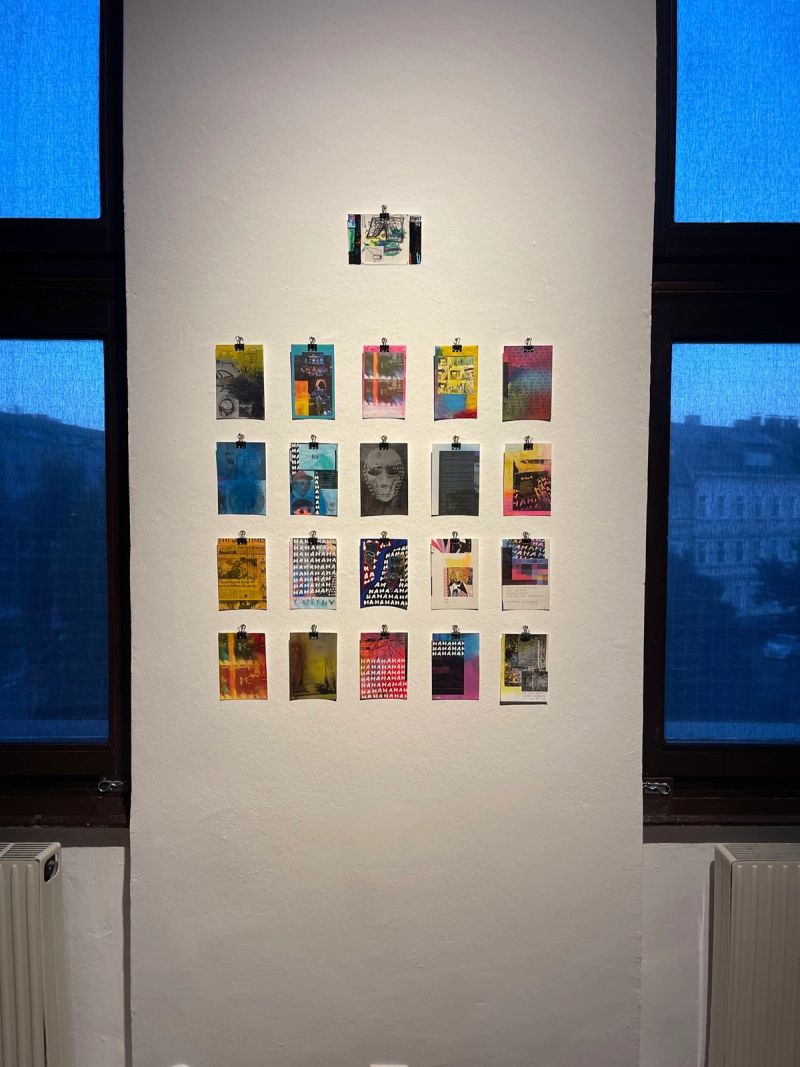
Burst’s TIMESTAMPS | HAHA Blocks hangs in the Francisco Carolinum’s first full showing of its blockchain collection, built on Bitcoin blocks picked by the numbers in HAHA.
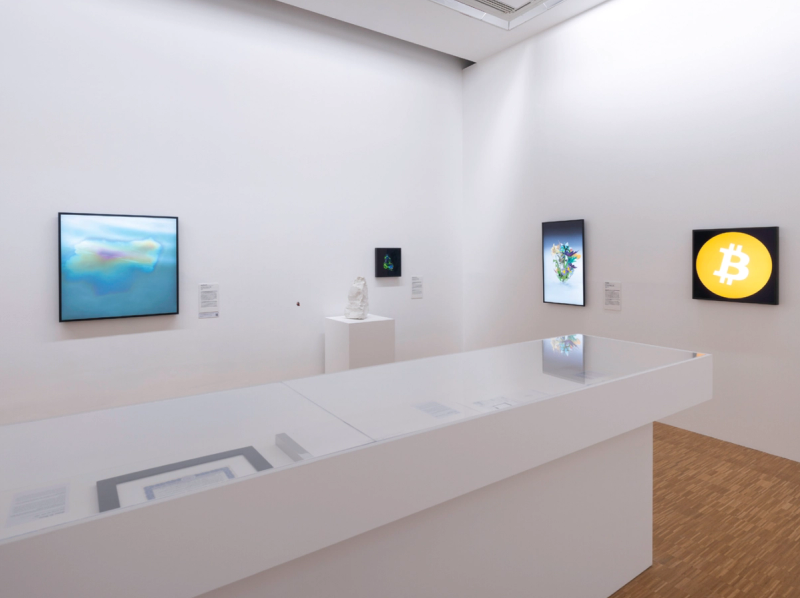
The Centre Pompidou launches a five-year Digital Art Committee of French and international patrons, with particular attention to onchain works and new forms of generative art.
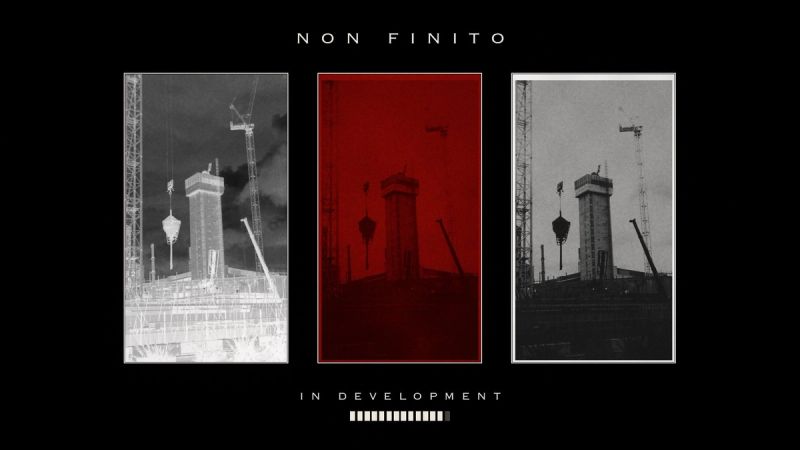
Costo Bravo's Non Finito series reaches its third chapter, In Development: a darkroom engine, his own film negatives, and prints that are never meant to be finished.
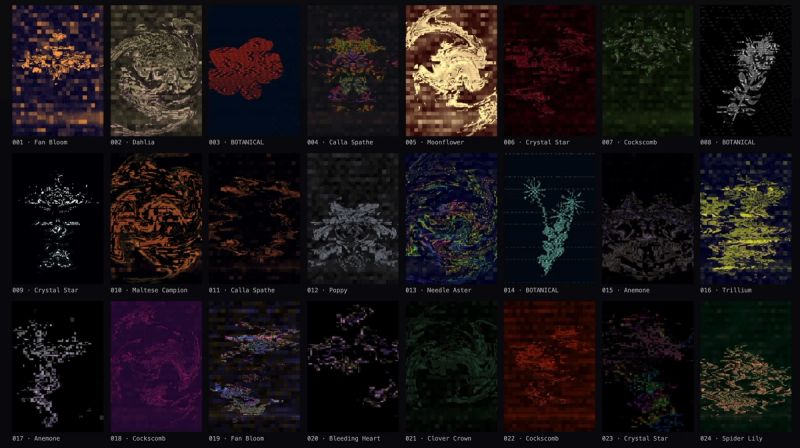
Harto is building toward something called Inflation: 24 flower-titled works, a pixel banknote, and a teaser that ends on 100 YEARS · 100 DAYS.
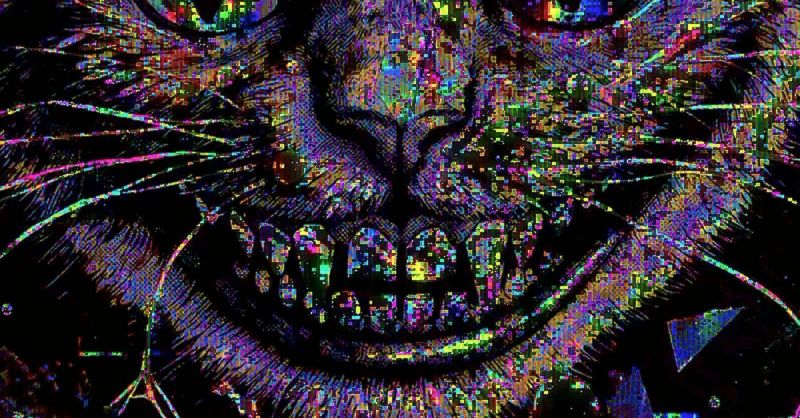
From an immersive comet in Mexico City to curating a team at RGBMTL in Montreal, Empress Trash closes out a busy 2026 with a work in the Francisco Carolinum Linz collection.
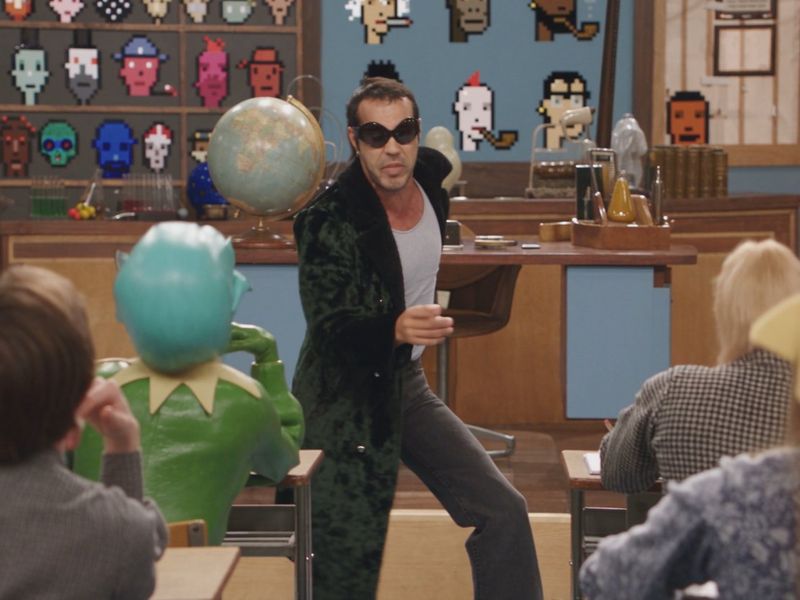
ROBNESS minted an artificial remix of Celentano’s gibberish classic into ROBNESS TELEVISION on SuperRare — reserve auction closed at 0.14 ETH to @cobotica.
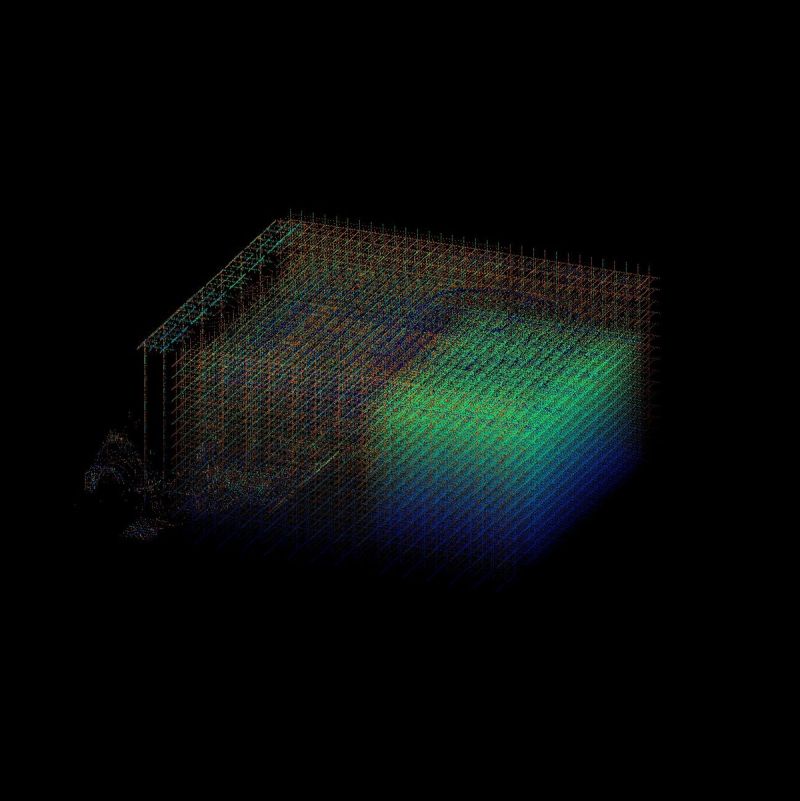
From PXL DEX to POD and NET — and a Duo Pod turn at Art Basel Hong Kong — Kim Asendorf treats the pixel as both image unit and utility token.
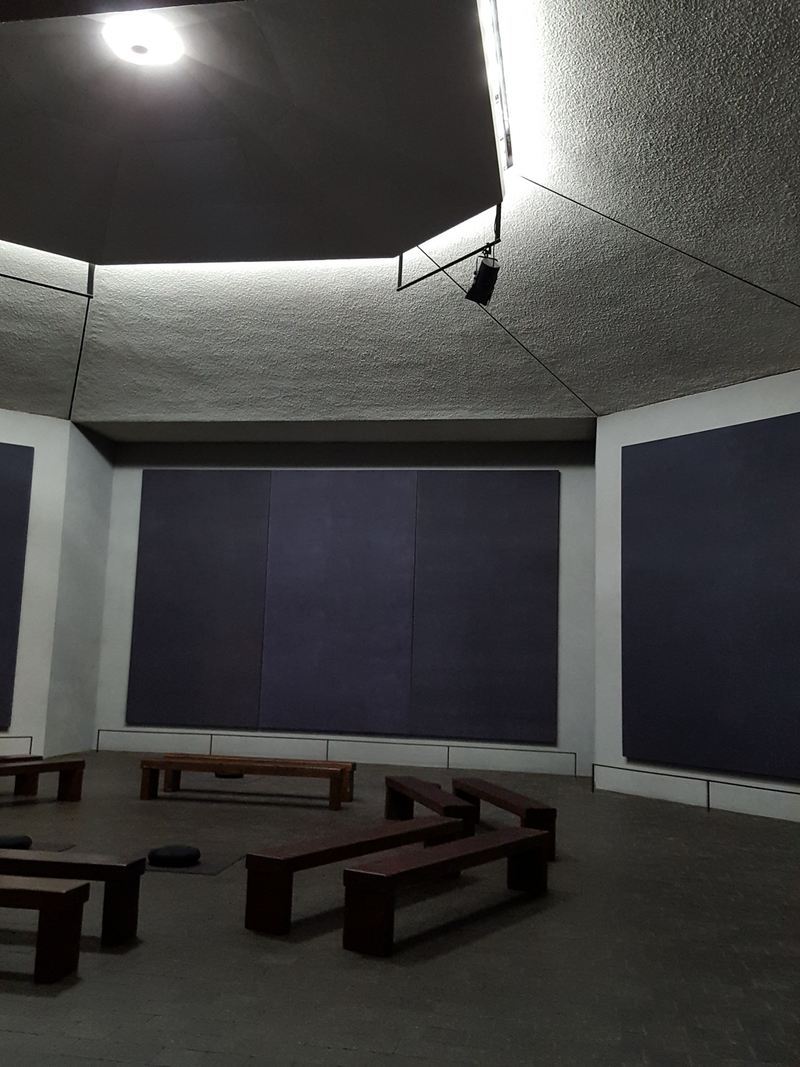
Mark Rothko took a $35,000 Four Seasons commission, painted rooms meant to close in — then walked away after one meal. A short note on color-field power and refusal.
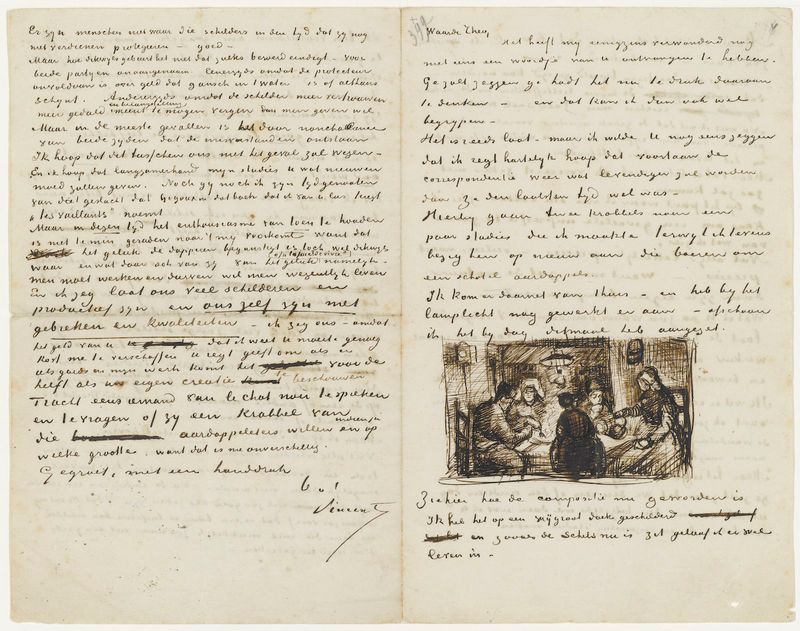
Van Gogh’s letters and Warhol’s taped voice did more than decorate biographies — they framed how we still read the work. A short note on context, and why artists keep leaving a trail beside the art.
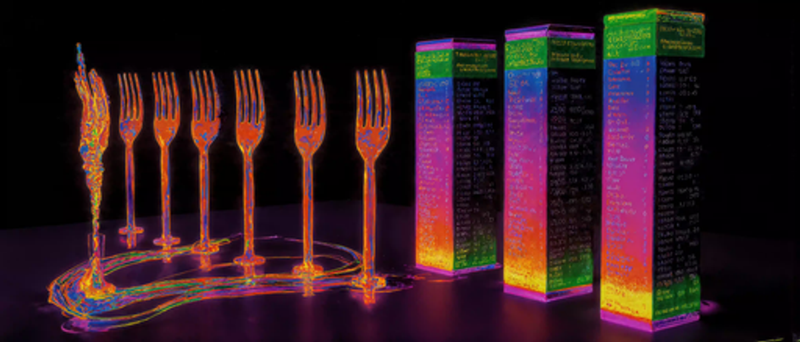
Artifishal’s Fish Gospel hit Droop House mid-month; by late September Ord_Net was moving Thermal Forks, Megastructures, Zoe Louise, and a cluster of Sepim_art originals — with public BTC figures from ord.net.
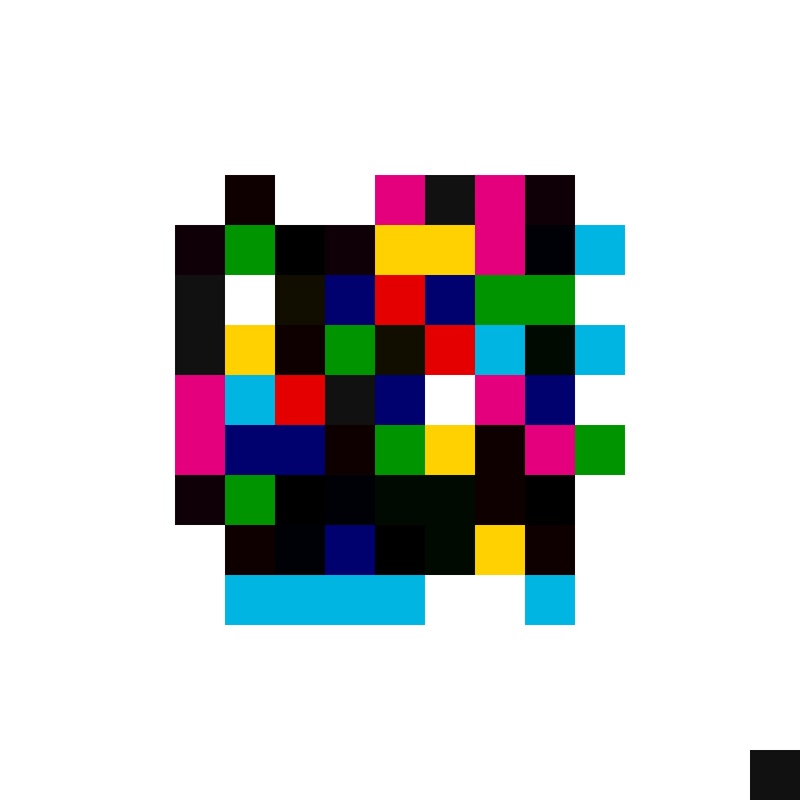
Jack Butcher’s Credits turns each eligible $8 X Money payment into a CMYK grid artwork — early public counts are provisional, while Statement assembly and the 1,526 cap are locked in the project rules.
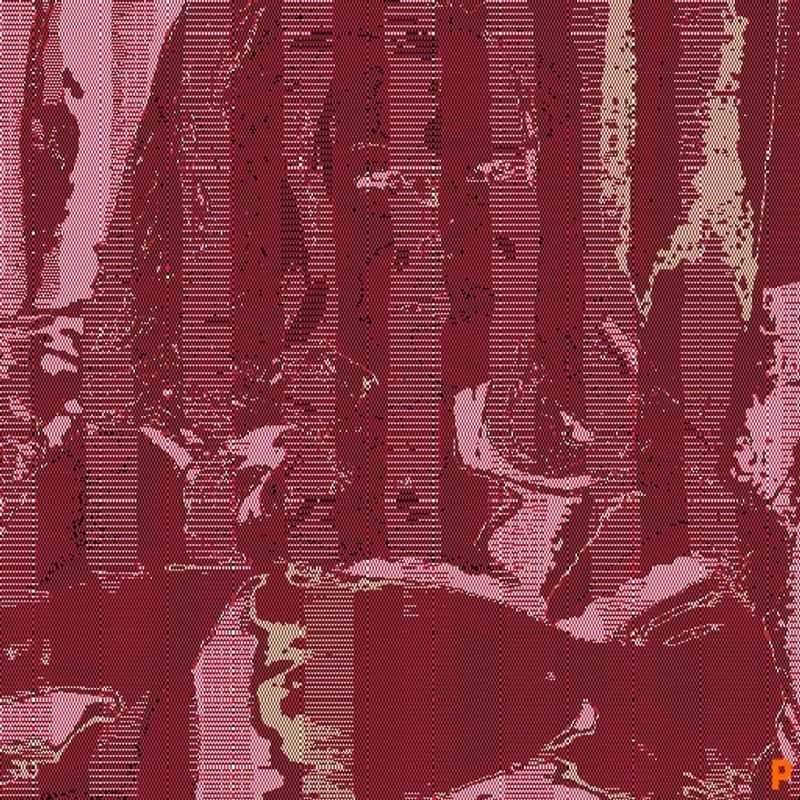
Elia Pieraccini’s PeePs is an Ordinals-native artist entity that learns through recursion — collectors as DAO custodians of a practice that only exists on-chain.
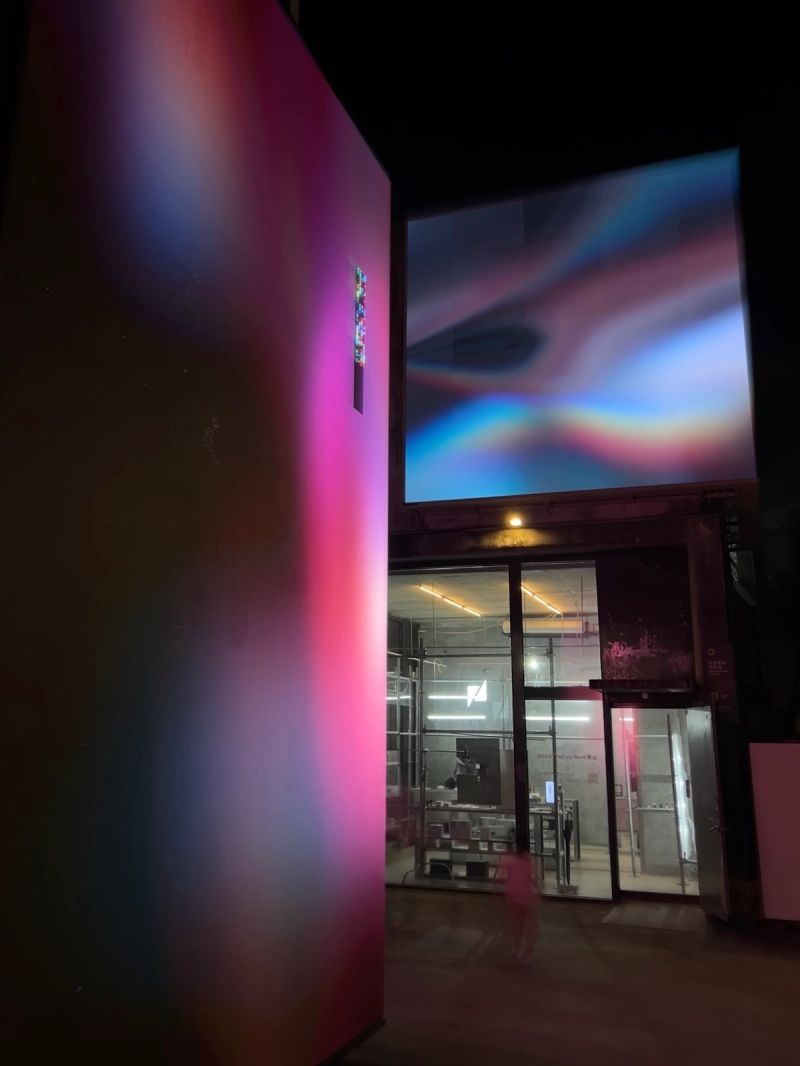
Paweł Dudko’s Noema is on view in an immersive digital gallery at Huashan 1914 Creative Park in Taipei — a physical chapter for work that lives in the light between architecture and image.
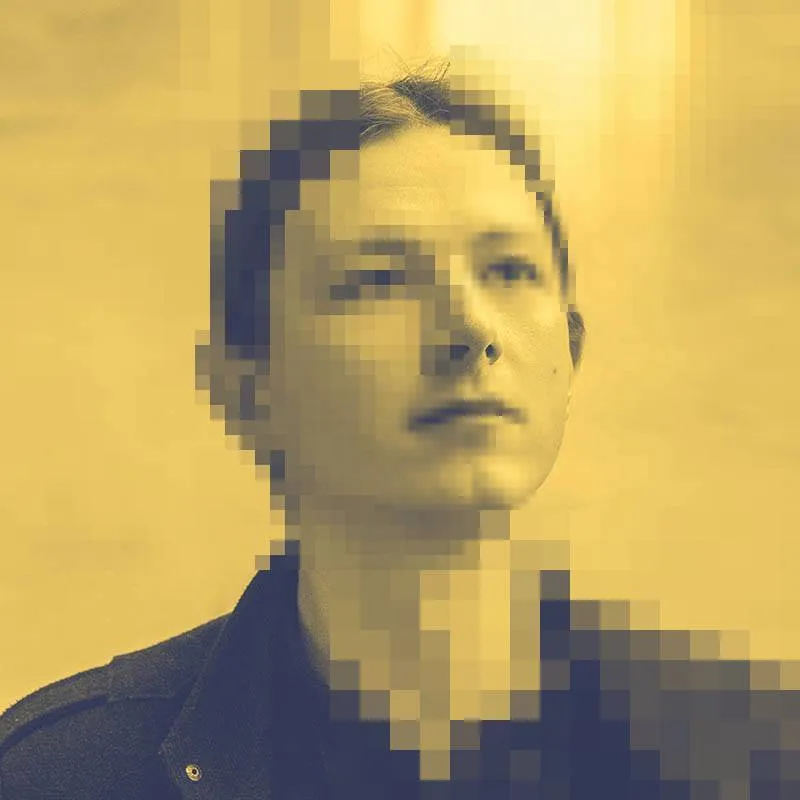
Architecture, code, and light stay tightly bound in Paweł Dudko's practice, from Art Blocks and Bitcoin inscriptions to 3D printing and spatial installation.
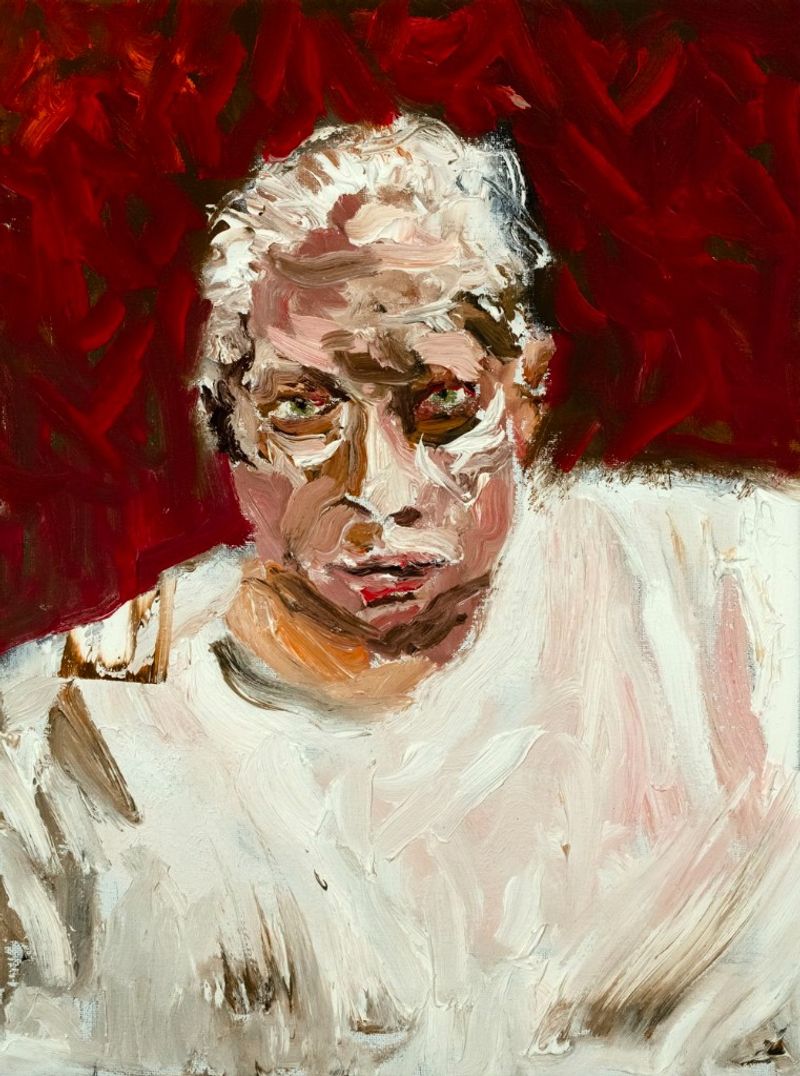
Michael Hafftka didn't come to Bitcoin as an experiment. He came as an artist with four decades of institutional weight behind him — and a clear argument about what lasts.
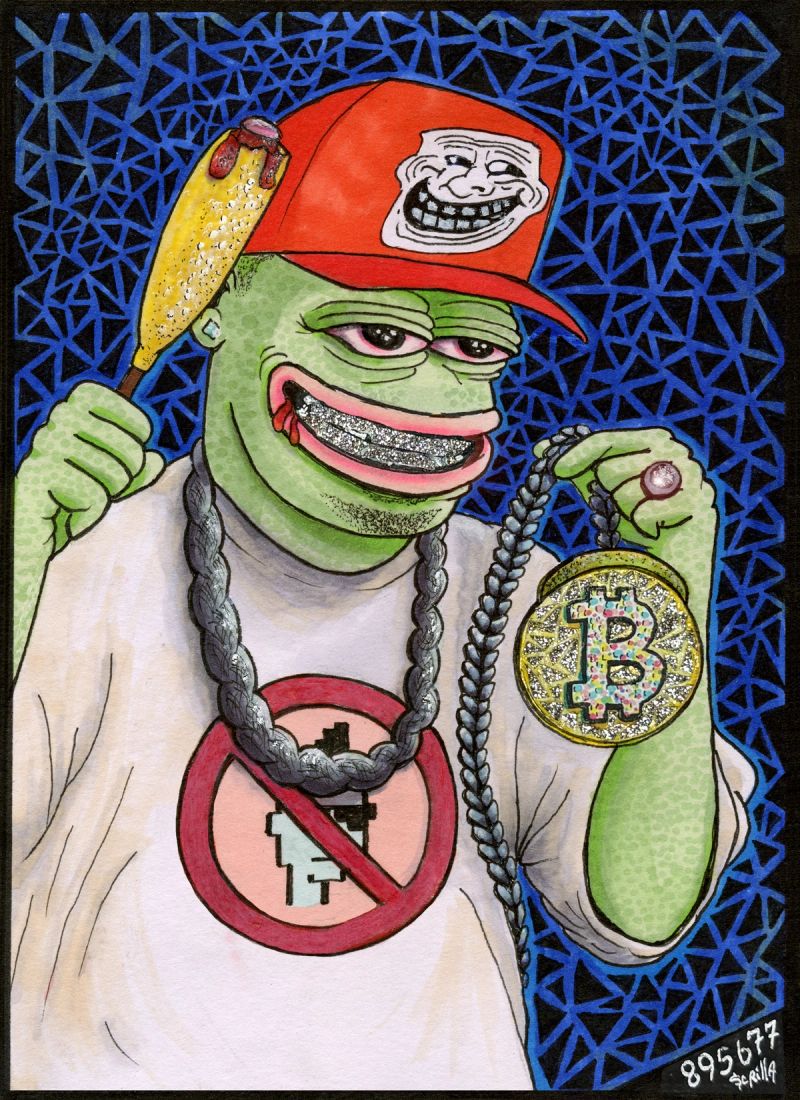
Rare Scrilla's practice is less about making new images than about insisting on where images belong — arguing, through every inscription, that Bitcoin was always a cultural substrate, not merely a financial one.

Claire Silver reframes AI art as co-agency rather than automation, where authorship emerges from taste, constraint, and the irreducible decisions of a human artist.
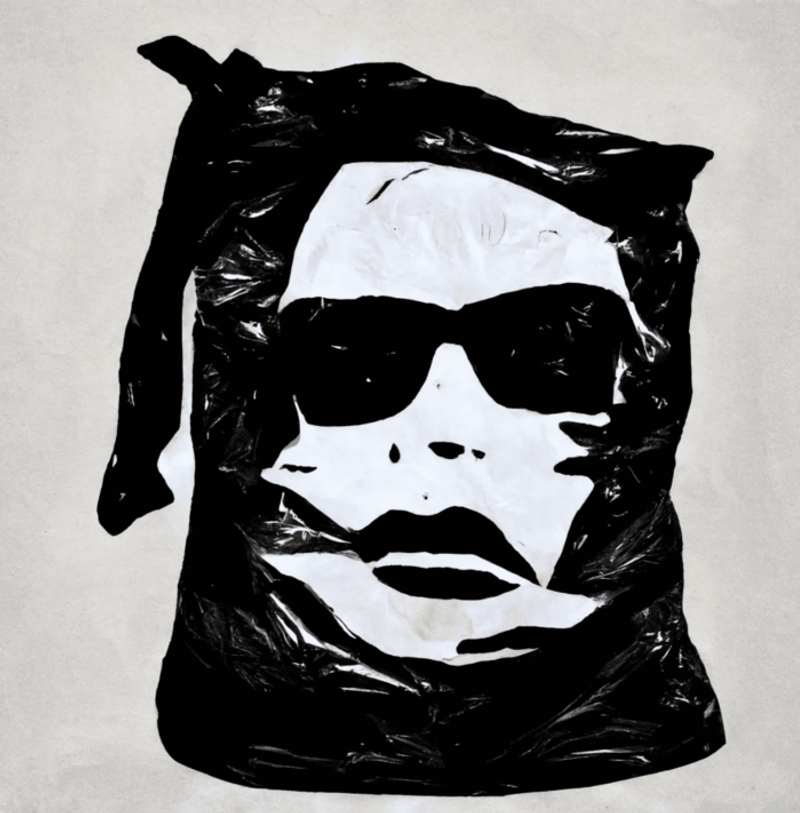
By weaponizing the "right to be deleted" and reclaiming the aesthetics of digital waste, Robness didn't just break the rules of crypto art—he rewrote the contract of ownership itself.
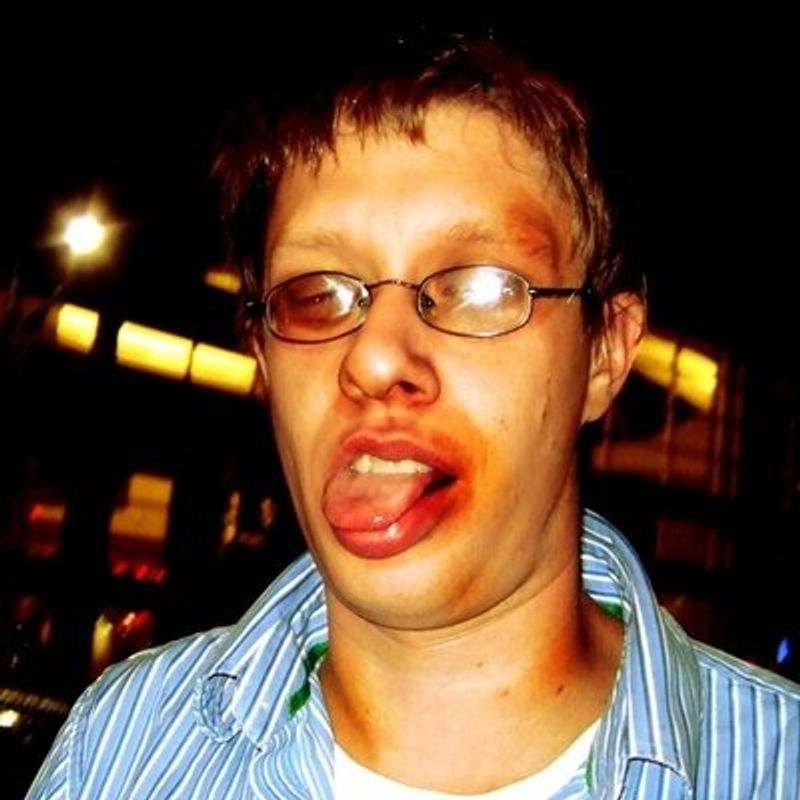
Mike Winkelmann didn't just sell a JPEG for $69 million; he showed up every single day for 15 years.
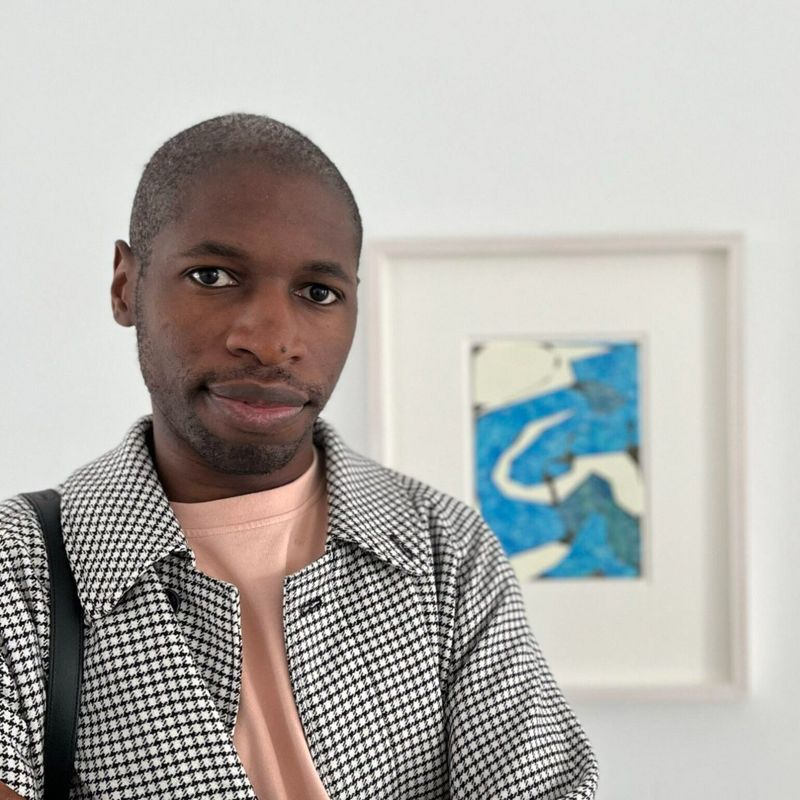
William Mapan weaponizes the algorithm to reveal the 'humanness' behind the screen, bridging artificial precision with human emotion.
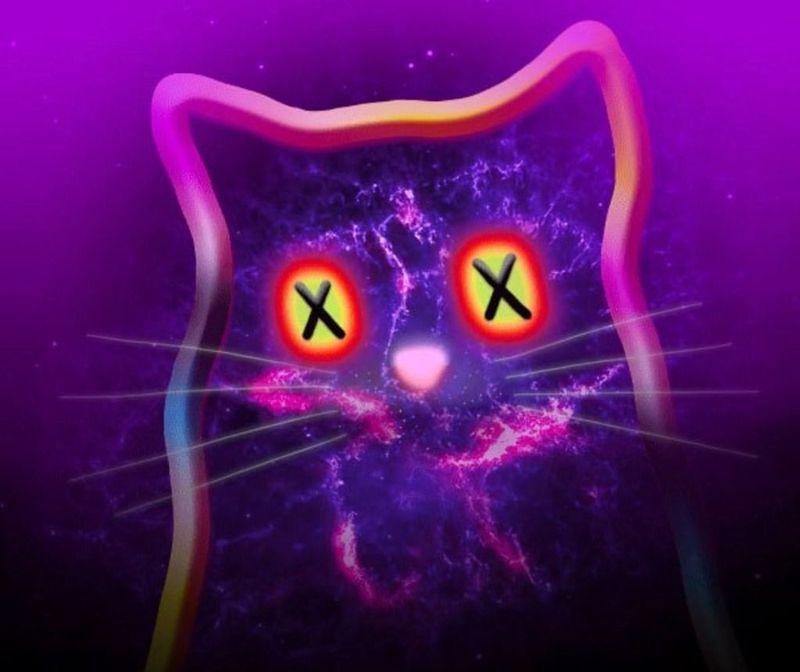
From the latent spaces of early GANs to the recursive physics of Bitcoin, Francisco Alarcón (FAR) interrogates the technical apparatus behind the digital image.
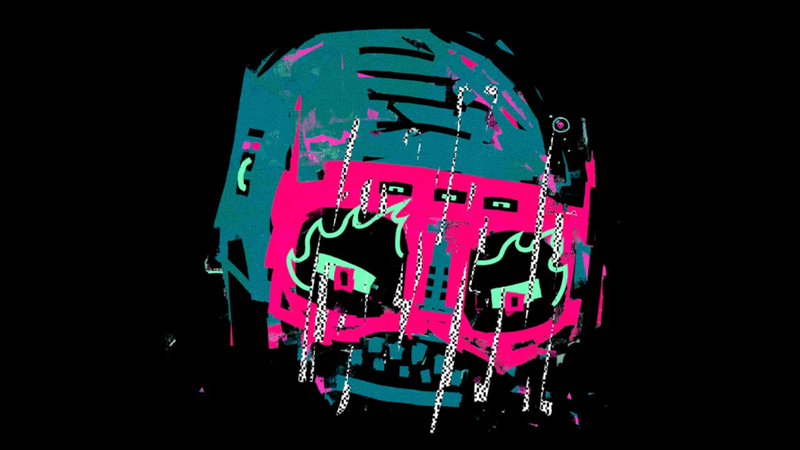
From the digital slums of Tumblr to the white cubes of Art Basel, XCOPY has weaponized the glitch, forcing the art world to stare into the strobe-light of the blockchain.
Counterfeit Culture is one of the earliest and most influential forces in the Ordinals ecosystem, championing 'Art on Bitcoin' as a rallying cry.
Lemonhaze is the art world’s digital nomad—leaving breadcrumbs from Montreal to Saigon.
Lemonhaze treats the blockchain as a 'message in a bottle'—archiving not just art, but the raw, messy human experience.
The full transcript of the conversation with Sophia Spirlock from @fabled_btc.